
Living in a hot climate comes with unique challenges, and your roof is one of the most important parts of your home that must withstand extreme temperatures.
In places like Arizona, Nevada, Texas, New Mexico, and Southern California, roofs face long months of intense sunlight, UV exposure, thermal expansion, monsoon storms, and temperature swings between day and night. Choosing the right roofing material can significantly impact how well your home handles heat, how much you spend on cooling, and how long your roof lasts.
This guide breaks down the best roofing materials for hot climates, including how they perform, pros and cons, energy efficiency, cost expectations, and real-world suitability for desert environments. By the end, you’ll have a clear understanding of which roofing option is the best fit for your home and budget.
Why Roofing Material Matters More in Hot Climates
In hot regions, roofing materials are exposed to higher levels of ultraviolet radiation, dry environments, and constant thermal stress. Not all roofing materials perform well under these conditions.
The right material can:
- Reduce energy bills by lowering heat absorption
- Maintain stable indoor temperatures
- Increase roof longevity by resisting heat-related damage
- Improve overall home comfort
- Increase resale value in hot-weather markets
The wrong material can lead to:
- Premature cracking
- Curling shingles
- Bleaching or fading
- Heat transfer into the attic
- Higher cooling costs
- Frequent repairs or early replacement
For these reasons, homeowners must choose roofing materials specifically designed for long-term performance in high heat.
What Makes a Roofing Material Ideal for Hot Climates?
Choosing the right roofing material in a hot climateis about more than aesthetics it’s about durability, energy efficiency, and long-term performance. Here are the key factors to consider:
These ranges are helpful for planning but not exact. Your own timeline depends on the home’s location, shade, ventilation, and level of care over the years. Annual or biannual inspections make it easier to understand how much life your roof has left.
1. Solar Reflectance
Also called reflectivity, this measures how much sunlight the roof reflects instead of absorbing. The higher the reflectance, the cooler your home stays, reducing strain on your air conditioning and lowering energy costs.
2. Thermal Emittance
Thermal emittance indicates how efficiently a roof releases absorbed heat. Materials with high emittance shed heat quickly at night, preventing excessive attic temperatures.
3. Heat Resistance
Some roofing materials degrade or warp under prolonged high temperatures. Look for materials specifically engineered to withstand daily heat without cracking, curling, or fading.
4. Ventilation Compatibility
Even the best roofing material performs poorly without proper ventilation. Roofs in hot climates should be paired with adequate attic ventilation to prevent heat buildup and prolong material life.
5. UV Durability
UV exposure is one of the leading causes of roof aging. Materials with built-in UV resistance maintain structural integrity, resist brittleness, and preserve their appearance over time.
6. Color and Surface Options
Roof color and finish play a major role in heat management. Light-colored or reflective surfaces help minimize heat absorption, keeping your home cooler especially important in desert regions.
With these factors in mind, you can make a smarter choice when selecting a roofing material. Next, let’s examine the top-performing roofing options for hot climates and how they compare.
Best Roofing Materials for Hot Climates
Below is a detailed look at the most suitable roofing materials for hot, desert, and sun-intensive climates.
1. Tile Roofing (Clay and Concrete)
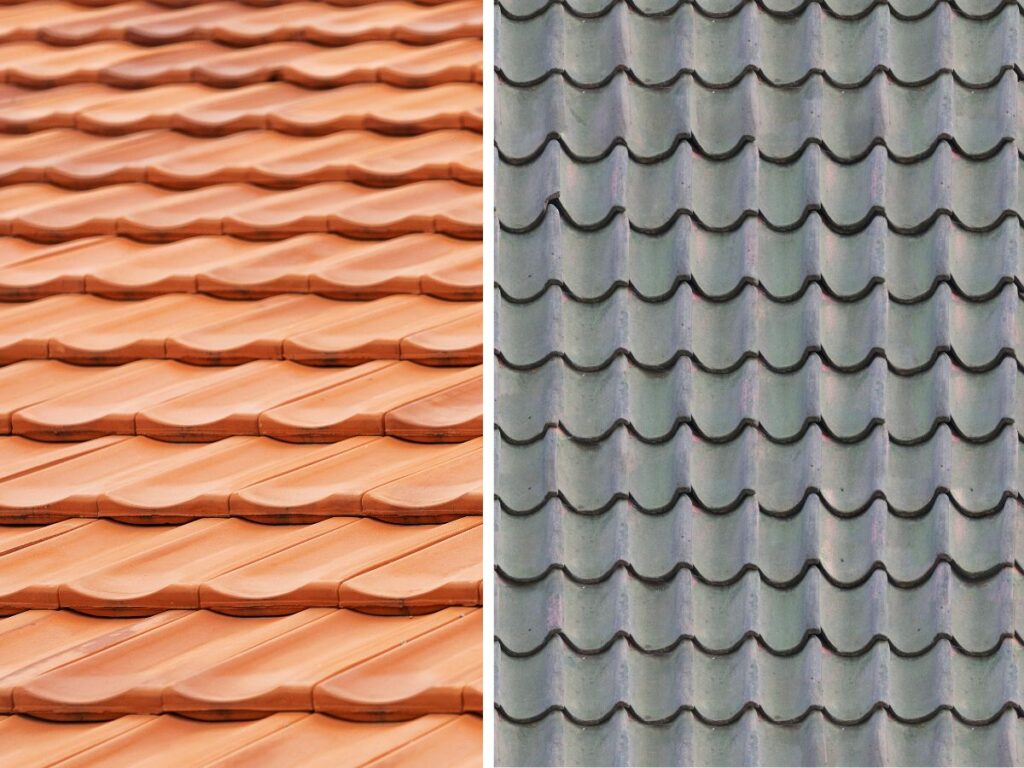
Tile roofing is a top choice in hot climates due to its natural durability, insulating properties, and heat resistance. Tile roofs are commonly seen in Southwestern and Mediterranean-style homes.
Why Tile Roofing Excels
- Tiles reflect heat and allow airflow beneath the roof, keeping attics cooler.
- Resistant to UV damage, thermal expansion, and extreme temperatures.
- Long lifespan of 50–100 years with minimal maintenance.
| Pros | Cons |
|---|---|
| Long lifespan (50–100 years) | Higher upfront cost |
| Excellent heat resistance | Heavy; may require reinforced roof framing |
| Natural ventilation reduces heat transfer | More complex installation |
| Low maintenance | Tiles can crack if walked on improperly |
| Fire-resistant and weather-resistant | Limited suitability for flat or low-slope roofs |
| Many color and style options | Longer installation time |
Cost: $12–$25 per square foot installed
Tile roofing is ideal for homeowners seeking maximum longevity, energy efficiency, and a distinctive appearance.
2. Metal Roofing
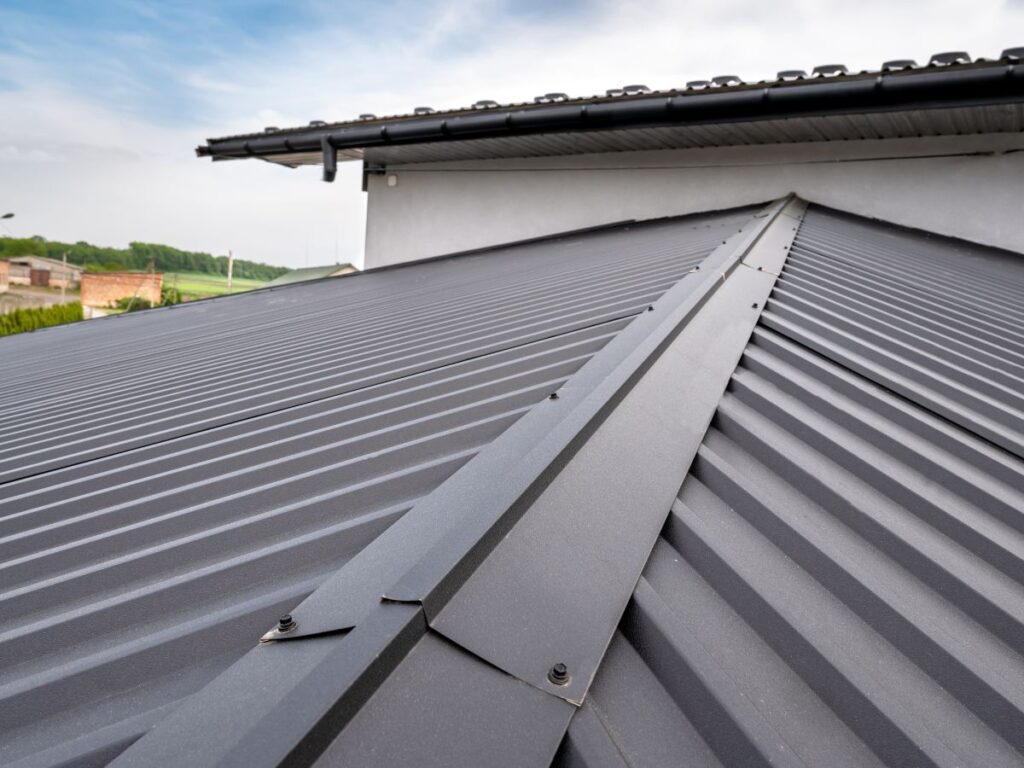
Metal roofs are highly reflective and durable, making them excellent for extreme heat conditions. Common metals include aluminum, steel, and copper.
Why Metal Roofing Excels
- Reflects sunlight, reducing heat absorption.
- Cools quickly after sunset.
- Fire-resistant and lightweight.
- Long-lasting, with lifespans of 40–70 years.
| Pros | Cons |
|---|---|
| High solar reflectance | Higher upfront cost than asphalt shingles |
| Extremely durable (40–70 years) | Can be noisy during rain without proper insulation |
| Lightweight | Some metals may dent from hail |
| Low maintenance | Requires professional installation |
| Fire-resistant | Dark-colored roofs reduce reflectivity |
| Quick to cool down at night |
Cost: $8–$18 per square foot installed
Metal roofing is perfect for energy-conscious homeowners and modern architectural styles.
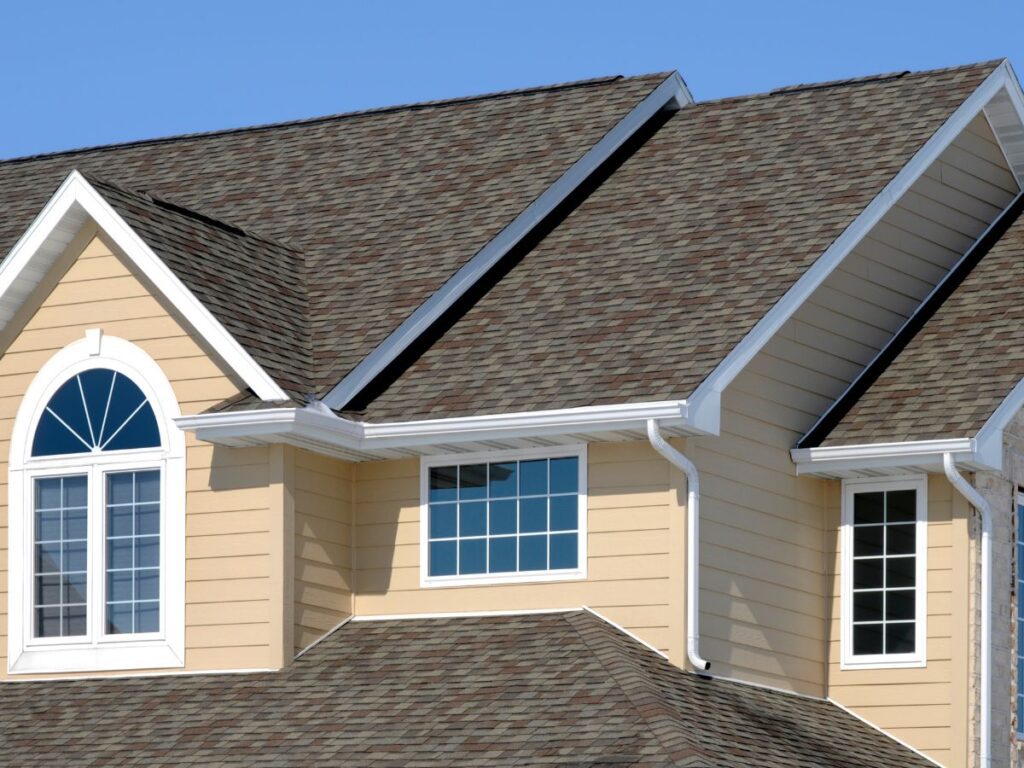
3. Cool Roof Asphalt Shingles
Traditional asphalt shingles are not ideal for hot climates, but cool roof shingles are engineered to withstand heat and reflect more sunlight.
Why Cool Roof Shingles Work
- Reflective granules reduce heat absorption.
- Less prone to cracking and UV damage compared to standard asphalt.
- Widely available and budget-friendly.
| Pros | Cons |
|---|---|
| More affordable than tile or metal | Shorter lifespan in extreme heat (15–25 years) |
| Reflective granules reduce attic heat | Absorbs more heat than tile or metal |
| Easy to install and repair | Thermal cracking may occur over time |
| Wide variety of styles and colors | Requires adequate attic ventilation |
| Widely available |
Cost: $4–$7 per square foot installed
Cool roof asphalt shingles offer a practical solution for homeowners seeking heat protection on a budget.
4. TPO Roofing (Thermoplastic Polyolefin)
TPO is a single-ply membrane primarily used for flat and low-slope roofs. It is known for excellent reflectivity and energy efficiency.
Why TPO Excels
- Highly reflective, reducing heat gain.
- Heat-welded seams prevent leaks.
- Lightweight and cost-effective compared to tile or metal.
| Pros | Cons |
|---|---|
| Highly reflective and energy-efficient | Lifespan varies by manufacturer |
| Excellent for flat and low-slope roofs | Less suitable for steep-slope roofs |
| Heat-welded seams reduce leaks | Can be punctured if not maintained |
| Cost-effective | Requires professional installation |
| Low maintenance | Quality varies between manufacturers |
Cost: $5–$9 per square foot installed
TPO is ideal for flat-roofed homes or commercial buildings requiring reflective, heat-resistant roofing.
5. EPDM Roofing (White or Coated)
EPDM is a durable synthetic rubber roofing membrane. Black EPDM absorbs heat, but white or coated EPDM performs well in hot climates.
Why EPDM Works
- Reflective coating reduces heat absorption.
- Flexible and lightweight, making it suitable for flat roofs.
- Low maintenance with proper installation.
| Pros | Cons |
|---|---|
| Lightweight and flexible | Black EPDM is not suitable for hot climates without coating |
| Affordable | Primarily for flat roofs |
| Long lifespan with coating | Coatings require periodic maintenance |
| Good UV resistance | Can puncture if sharp objects contact the surface |
| Low maintenance cost |
Cost: $4–$8 per square foot installed
EPDM is ideal for flat or low-slope roofs in hot regions when coated for reflectivity.
6. Synthetic Roofing (Composite Tile/Shake)
Synthetic roofing is designed to mimic natural materials while improving durability and heat resistance.
Why Synthetic Roofing Works
- Resists UV damage and thermal expansion.
- Lightweight alternative to clay or concrete tiles.
- Long-lasting and low maintenance.
| Pros | Cons |
|---|---|
| Lightweight alternative to natural tile | More expensive than asphalt shingles |
| High durability and UV resistance | Not as long-lasting as metal or natural tile |
| Wide variety of styles and colors | Coatings require periodic maintenance |
| Performs well in high heat | Quality varies between manufacturers |
| Low maintenance cost | Can fade over decades in extreme climates |
| Lower maintenance than natural materials |
Cost: $7–$14 per square foot installed
Synthetic roofing is a good middle-ground option between asphalt shingles and tile for homeowners wanting durability and aesthetic appeal.
Comparison Table: Roofing Materials for Hot Climates
| Material | Lifespan | Heat Performance | Energy Efficiency | Cost (per sq. ft.) | Best Roof Types |
|---|---|---|---|---|---|
| Clay/Concrete Tile | 50–100 yrs | Excellent | Excellent | $12–$25 | Steep-slope |
| Metal Roofing | 40–70 yrs | Excellent | Excellent | $8–$18 | Most slopes |
| Cool Roof Asphalt | 15–25 yrs | Medium-High | Good | $4–$7 | Steep-slope |
| TPO | 20–30 yrs | High | Excellent | $5–$9 | Flat/low-slope |
| EPDM (White/Coated) | 20–30 yrs | Medium-High | Good | $4–$8 | Flat/low-slope |
| Synthetic | 30–50 yrs | Medium-High | Good | $7–$14 | Steep-slope |
Additional Factors That Affect Roof Performance in Hot Climates
Even the best roofing material can underperform without attention to other key factors. Consider the following to maximize the efficiency, longevity, and comfort of your roof:
Roof Color
The color of your roof has a major impact on heat absorption. Light-colored or reflective roofs bounce more sunlight than dark roofs, which can get extremely hot. Studies show that cool-colored roofs can be up to 60 degrees cooler on the surface, reducing heat transfer into the home and lowering energy costs.
Proper Attic Ventilation
No roofing material can perform optimally without adequate attic ventilation. In hot climates, proper airflow helps remove heat from the attic, reduces cooling loads, and prevents premature material degradation. Common ventilation options include:
- Ridge vents
- Soffit vents
- Gable vents
- Powered attic ventilation (for larger homes or extreme heat conditions)
Effective ventilation works hand-in-hand with heat-resistant roofing materials to keep your home cooler and extend roof lifespan.
Radiant Barriers and Insulation
A radiant barrier installed beneath the roof deck reflects heat away from the attic, while quality insulation slows heat transfer into living spaces. Combining these with a reflective or heat-resistant roof maximizes energy efficiency and interior comfort. In hot climates, pairing the right roofing material with proper insulation and ventilation creates the most effective system for long-term performance.
Final Thoughts: Choosing the Right Roof Material for Hot Climate Living
Selecting the best roofing material for hot climates requires careful consideration of heat reflectance, durability, energy efficiency, and cost. Whether you live in the Arizona desert, the Nevada valley, the Texas plains, or any high-heat region, investing in the right roofing system can dramatically lower cooling bills and protect your home for decades.
If you’re planning a roof replacement or new installation, it’s wise to work with a roofing contractor experienced in hot climate systems. The right expertise ensures your materials, ventilation, and installation method all work together to keep your home cool and your roof performing at its best.