
Shingle roofs in Arizona typically last about 15 to 30 years, depending on the type of shingles, installation quality, and the home’s ventilation. Though manufacturers may advertise longer lifespans, the harsh desert climate can limit how long shingles realistically hold up. With the right materials, especially architectural or premium asphalt shingles and professional installation, homeowners can push their roof toward the higher end of that range.
How long do shingle roofs last in Arizona? This article covers how Arizona’s heat, UV exposure, and monsoon winds accelerate shingle wear, the role of installation and materials, a maintenance checklist to prolong roof life, signs a roof is nearing the end of its lifespan, and guidance on deciding between repairs and full replacement.
Why Arizona Shortens Shingle Lifespans
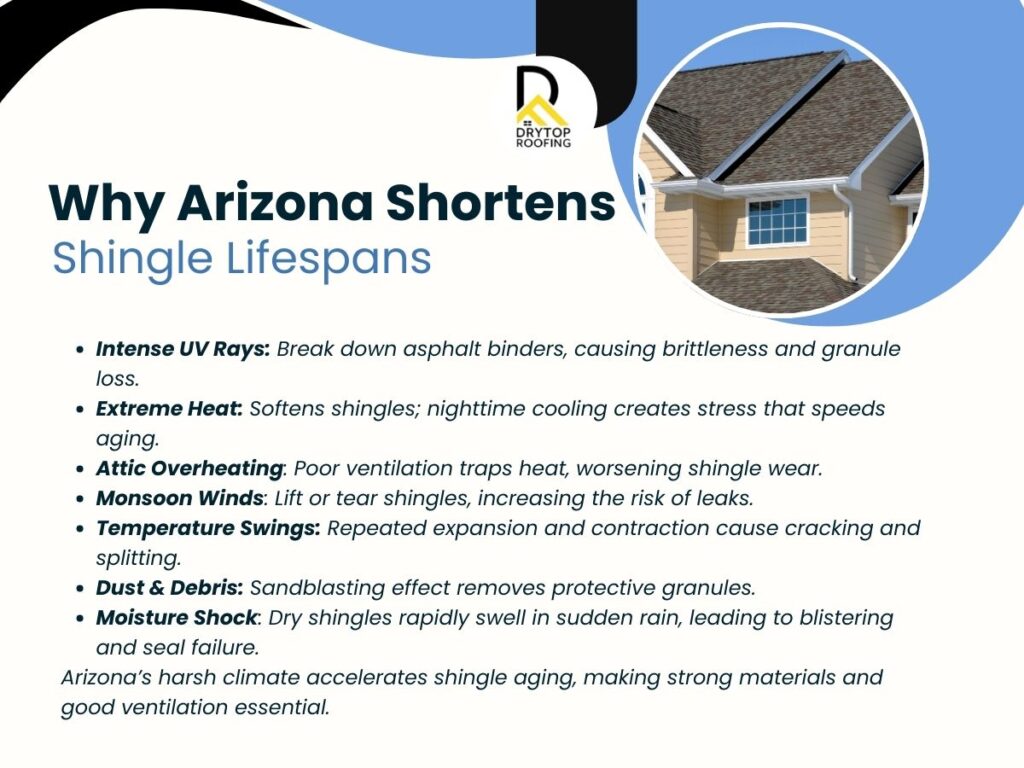
Arizona’s harsh desert climate exposes roofing materials to extreme conditions that shorten their lifespan compared to milder regions. Below are the main factors that make shingle roofs age faster and why they matter for homeowners.
1. Intense UV Exposure
Arizona’s powerful sun quickly breaks down asphalt binders that hold shingles together. This causes shingles to dry out, become brittle, and lose protective granules much sooner than expected.
2. High Heat and Attic Temperatures
Shingles soften under prolonged high heat, then cool at night, creating stress that accelerates wear. Without proper attic ventilation, trapped heat speeds up aging and even voids some manufacturer warranties.
3. Monsoon Winds and Storm Damage
Seasonal monsoon storms can lift, crack, or tear shingles from the roof surface. Once seals are broken or shingles are displaced, water intrusion becomes far more likely, especially during heavy rainfall.
4. Rapid Temperature Swings
Extreme temperature shifts between day and night force shingles to repeatedly expand and contract. Over time, this movement causes bending, splitting, and premature cracking that weakens the roof system.
5. Dust, Debris, and Abrasion
Arizona winds carry sand and fine debris that act like sandpaper on shingles. As granules wear away, shingles lose UV protection and moisture resistance, making leaks and deterioration more likely.
6. Dry Climate and Moisture Shock
Dry heat causes shingles to lose flexibility, then sudden moisture from rain causes rapid swelling and contraction. This “moisture shock” can accelerate cracking, blistering, and seal failure.
7. Poor Ventilation in Desert Homes
Many Arizona homes suffer from inadequate roof ventilation, leading to overheated attics. Excess heat from below increases roof temperatures from both sides, doubling the stress on shingles and structural components.
Arizona’s climate aggressively wears down shingle roofing through heat, UV, wind, sand, and rapid temperature shifts. By recognizing these challenges, homeowners can choose better materials, improve ventilation, and follow smart maintenance practices to extend roof life and reduce replacement costs.
Average Lifespan by Shingle Type in Arizonaent (Don’t Wait for a Big Leak)
Shingle lifespan in Arizona varies widely depending on the material and quality due to the state’s harsh climate. Understanding how each type performs can help homeowners choose a roof that balances cost, durability, and long-term protection.
1. 3-Tab Asphalt Shingles
These are the most basic and budget-friendly shingles. In Arizona, they typically last 15–20 years due to heat and UV exposure, which can cause curling and granule loss over time.
2. Architectural (Dimensional) Asphalt Shingles
Thicker and more durable than 3-tab shingles, architectural shingles offer better wind resistance and UV protection. They usually last 20–30 years in Arizona when installed correctly.
3. Premium or Luxury Asphalt Shingles
High-end shingles feature extra thickness, stronger adhesives, and longer warranties. With proper maintenance, they can reach 25–35 years in Arizona’s desert climate.
4. Impact-Resistant Asphalt Shingles
Designed to withstand wind, hail, and severe weather, these shingles are slightly more robust than standard asphalt. They generally last 25–35 years, making them a solid long-term option.
5. Fiberglass Asphalt Shingles
Lightweight and resistant to UV damage, fiberglass shingles provide a balance of durability and cost-efficiency. Their typical lifespan in Arizona is 20–30 years.
6. Metal Shingles
Metal roofing is highly durable, energy-efficient, and resistant to extreme heat. In Arizona, metal roofs can last 40–70+ years, though installation costs are higher.
7. Concrete or Clay Tile
Tile roofs are heavy but extremely long-lasting, ideal for desert climates. With proper installation, they can last 50–100+ years, far outlasting most asphalt options.
Choosing the right shingle type is critical for maximizing roof lifespan in Arizona. While basic asphalt shingles are affordable, investing in architectural, premium, or alternative materials like metal or tile can provide far greater durability and protection against the state’s extreme weather conditions.
Installation, Materials, and Workmanship — the Biggest Variables
The lifespan of a shingle roof in Arizona isn’t determined by materials alone; proper installation and quality workmanship are equally critical. Even the best shingles can fail prematurely if installed incorrectly or paired with poor underlayment and ventilation.
- Quality of Shingles – Higher-grade shingles have better UV resistance, thicker layers, and longer warranties, making them more durable in Arizona’s harsh climate.
- Proper Installation – Correct nailing patterns, underlayment placement, and flashing installation ensure shingles stay secure and weatherproof.
- Ventilation and Roof Design – Adequate attic ventilation and proper roof pitch reduce heat buildup, preventing accelerated shingle deterioration.
- Workmanship and Attention to Detail – Experienced roofing contractors ensure seams, valleys, and edges are properly sealed, minimizing the risk of leaks and extending roof life.
- Adherence to Manufacturer Guidelines – Following the manufacturer’s instructions for installation and materials helps maintain warranties and maximizes lifespan.
Even premium shingles can fail without proper installation, ventilation, and attention to detail. Investing in quality materials and experienced, detail-oriented contractors is key to achieving the longest possible lifespan for a roof in Arizona’s challenging climate.
Maintenance Checklist to Extend Shingle Life
Regular roof care is essential in Arizona’s harsh climate, where heat, sun, and storms can shorten shingle lifespan. By following a few key maintenance practices, homeowners can protect their investment and prevent early roof replacement.
1. Inspect the Roof After Monsoon Season
High winds and heavy rain can loosen or lift shingles, weaken seals, and damage flashing. Checking your roof after monsoon storms allows you to catch early problems before they lead to leaks and costly repairs.
2. Clean Gutters and Remove Debris
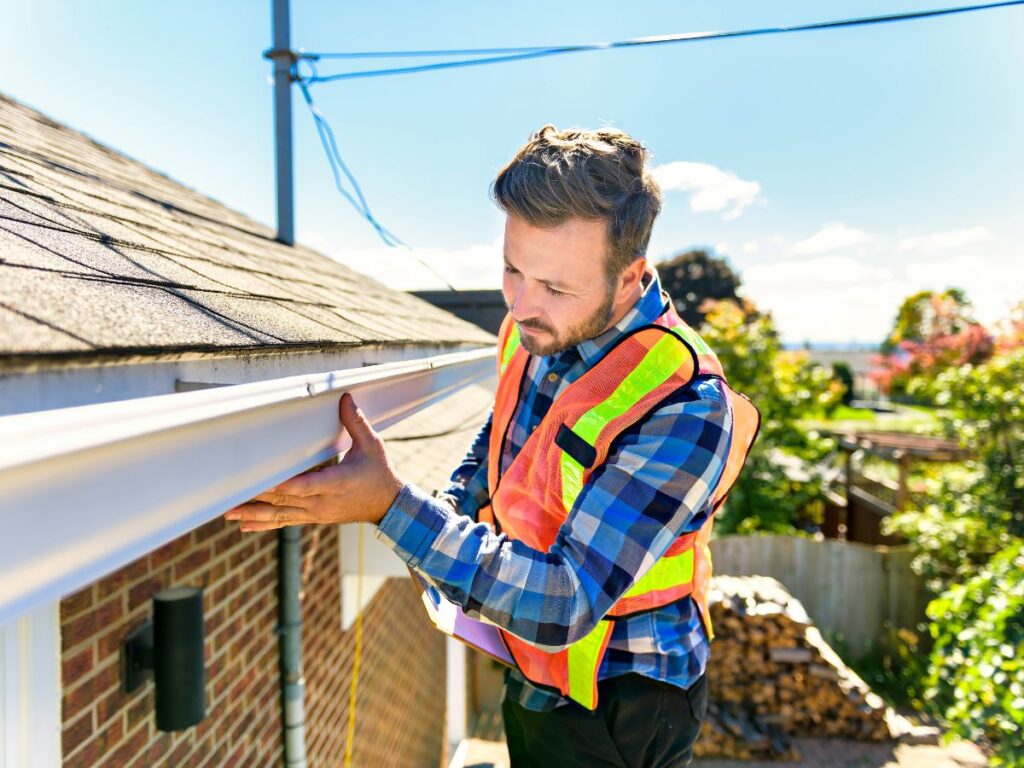
Clogged gutters cause water to back up, leading to hidden moisture damage under shingles and along roof edges. Removing leaves, dirt, and debris ensures proper drainage and protects the roof from water infiltration.

3. Trim Nearby Trees and Overhanging Branches
Branches rubbing against shingles can wear down protective granules and expose the asphalt layer. Trimming trees also reduces debris buildup and minimizes the risk of branch damage during windstorms.
4. Monitor Granule Loss and Shingle Condition
Worn shingles often show signs of granule shedding, cracking, or curling. Regular visual checks help catch early deterioration, so you can replace damaged areas before they spread.

5. Improve Attic Ventilation and Insulation
Proper ventilation keeps attic temperatures down, reducing heat stress on shingles and preventing premature aging. Good insulation also helps regulate indoor temperatures, reducing energy costs while protecting the roof.
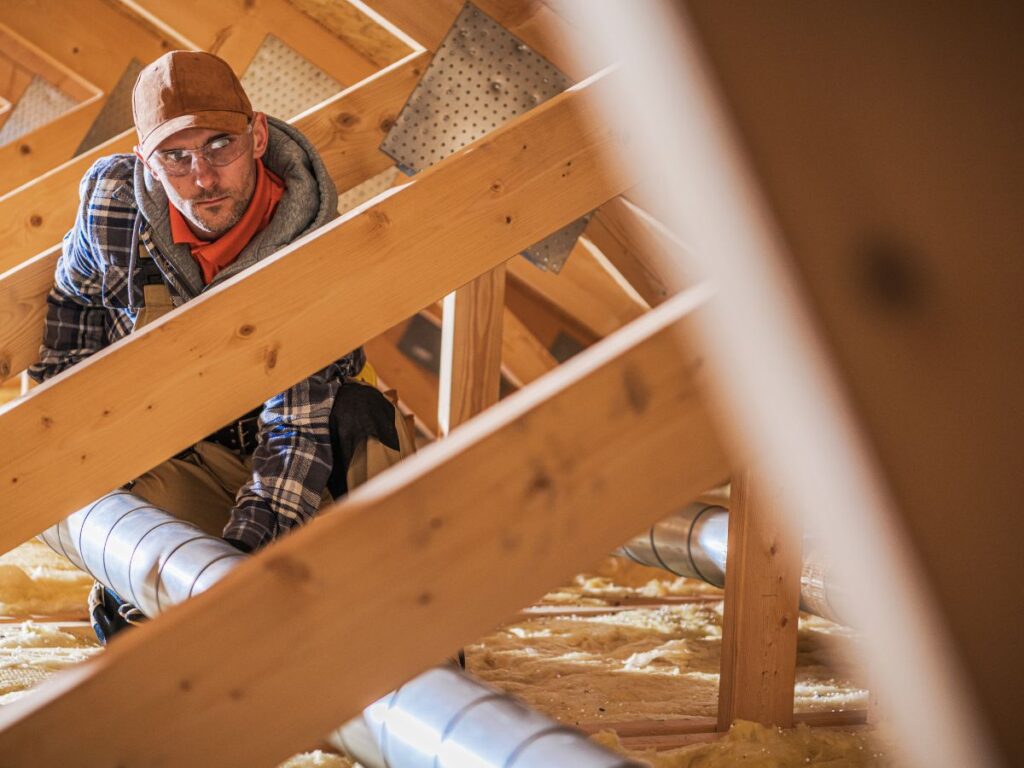
6. Hire Annual Professional Roof Inspections
A yearly inspection by a qualified roofer can detect issues that homeowners may miss, such as minor flashing gaps or hidden shingle damage. Early detection prevents small issues from turning into expensive repairs.
Consistent maintenance plays a major role in protecting shingle roofs from Arizona’s extreme weather. With regular inspections, debris removal, proper ventilation, and prompt repair of minor issues, homeowners can significantly extend the life of their roofs and avoid costly replacements.

Signs a Shingle Roof Is Near End-Of-Life
Recognizing early warning signs of roof failure can help prevent costly water damage and unexpected repairs. Here are the most common indicators that a shingle roof in Arizona is reaching the end of its usable lifespan:
- Curling or Cracking Shingles – Shingles that warp, curl, or crack have lost flexibility and UV protection, making them unable to properly shield your home.
- Heavy Granule Loss – If gutters or downspouts contain a large amount of granules, the shingles’ protective layer is wearing off, leaving the roof vulnerable to sun and moisture.
- Frequent or Recurring Leaks – Persistent leaks, even after small repairs, signal deeper roof system failure, often requiring replacement rather than patching.
- Missing or Loose Shingles – Wind can easily pull away aging shingles, and gaps expose the underlayment, increasing the risk of water intrusion and storm damage.
- Visible Sagging or Moisture Stains Indoors – Water stains on ceilings, damp attic insulation, or sagging roof spots indicate structural or moisture issues that often accompany end-of-life roofing.
- Sunlight Visible Through the Attic – If light is passing through the roof boards, it usually means the decking and shingles have deteriorated enough to require replacement.
Noticing these warning signs early can help you take timely action before serious damage occurs. When multiple symptoms appear together, it’s typically more cost-effective to replace the roof rather than continue with frequent repairs.
Repair vs Replacement — Decision Guide
Knowing whether to repair or replace a shingle roof can save Arizona homeowners both time and money. The right choice depends on the roof’s age, overall condition, and how widespread the damage is.
1. When a Repair Makes Sense
If only a small section of shingles is damaged due to wind or minor leaks, a targeted repair can extend the life of the roof. Repairs are cost-effective when the roof is relatively young and the rest of the shingles are still in good condition.
2. When Replacement Is the Better Option
If the roof shows widespread granule loss, curling, or frequent leaks, replacing it prevents recurring costs and deeper structural damage. Roofs nearing the end of their expected lifespan—especially 15–25 years old in Arizona—usually benefit more from full replacement than ongoing patchwork.
3. Consider Budget and Long-Term Value
Repairs may solve immediate problems, but repeated fixes can quickly add up and cost more than a replacement over time. Investing in a new, higher-quality roof can improve energy efficiency, increase home value, and provide better durability in Arizona’s climate.
Choosing between repair and replacement depends on the roof’s age, overall wear, and cost-effectiveness over time. A professional inspection can help determine the best option, ensuring your home stays protected while maximizing the value of your roofing investment.
Bottom Line
In Arizona, shingle roofs face intense sun, high heat, monsoon winds, and wide temperature swings that can shorten their lifespan. While asphalt shingles typically last 15–30 years, selecting quality materials, ensuring proper installation, and performing regular maintenance can help maximize durability and prevent costly repairs.
A well-chosen roof combined with attentive upkeep can provide decades of protection. By investing in quality shingles, maintaining ventilation, and addressing minor issues promptly, homeowners can extend their roof’s life and safeguard their home’s value in the desert climate.