
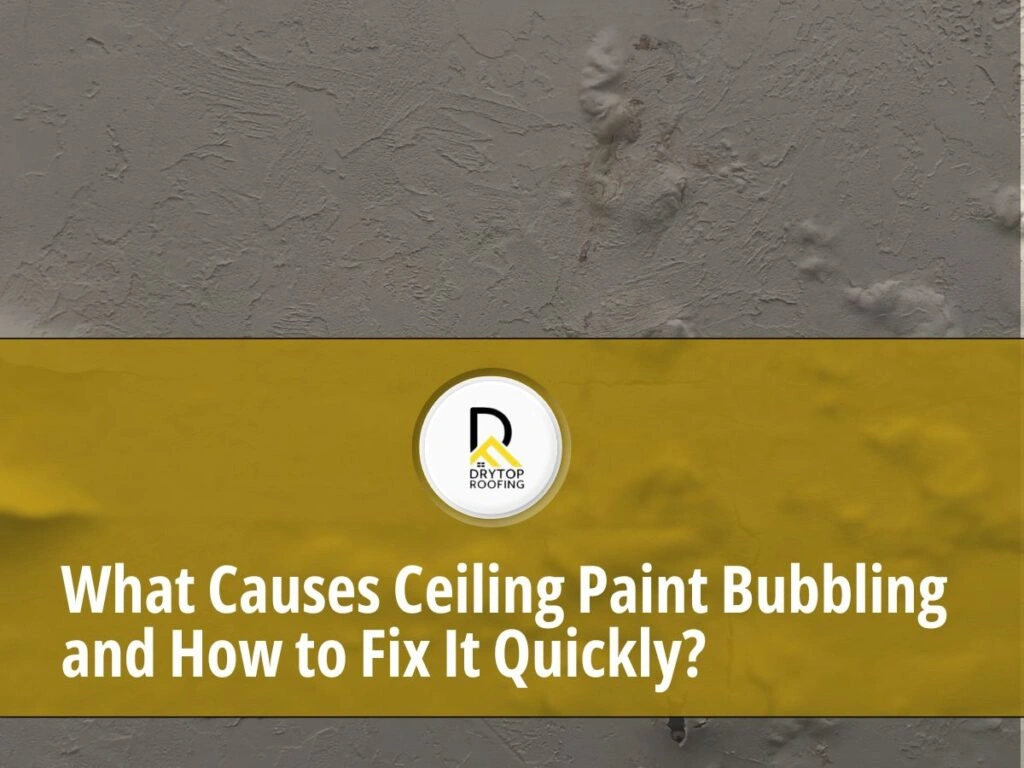
Ceiling paint bubbling is a common issue that can make your home look neglected and unkempt. It occurs when paint loses its adhesion to the ceiling surface, forming unsightly blisters or bubbles.
These bubbles can grow, crack, and peel if left unaddressed, leading to costly repairs. Fortunately, understanding the causes of ceiling paint bubbling and knowing how to fix it quickly can help maintain the aesthetic and structural integrity of your ceiling.
What Does Ceiling Paint Bubbling Look Like?
Ceiling paint bubbling is a common issue that can make your home look neglected and unkempt. It occurs when paint loses its adhesion to the ceiling surface, forming unsightly blisters or bubbles.
Over time, these bubbles may burst or peel away, exposing the underlying material and worsening the appearance of the ceiling. Recognizing these early signs can help homeowners take prompt action before the problem escalates.
Common Causes of Ceiling Paint Bubbling
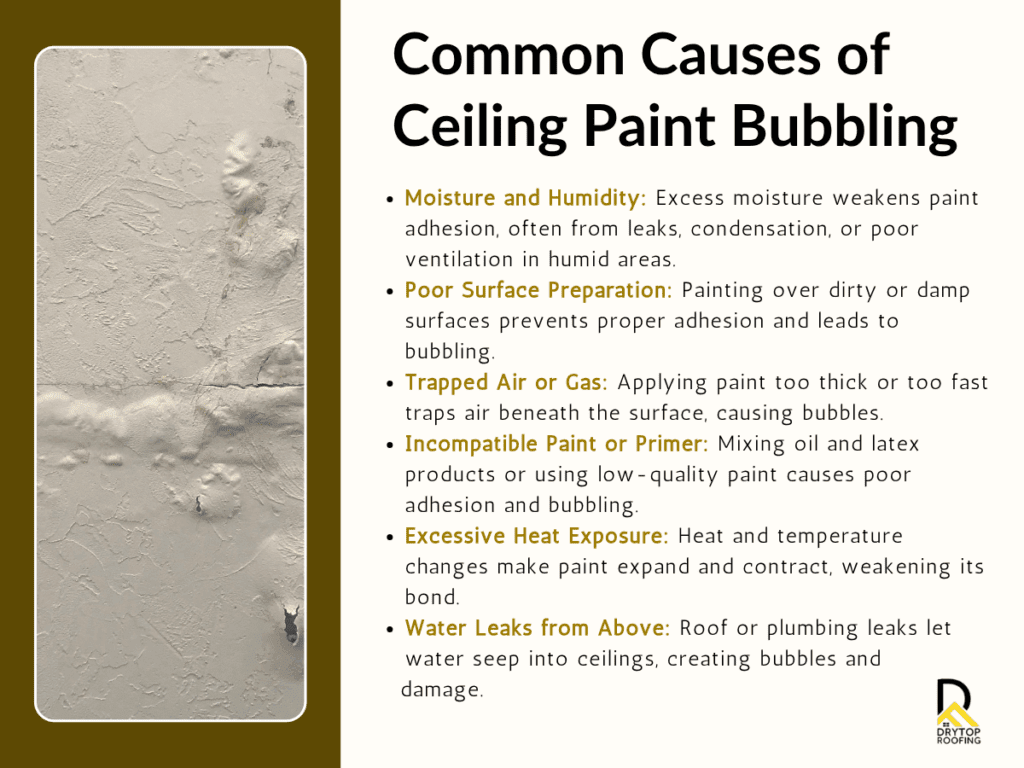
Several factors contribute to ceiling paint bubbling. Identifying the root cause is crucial for implementing the right solution.
1. Moisture and Humidity
Excess moisture is one of the primary culprits behind bubbling paint. When water or humidity seeps into the ceiling material, it weakens the bond between the paint and the surface.
This is especially common in areas like bathrooms, kitchens, and basements where humidity levels are higher. Leaky roofs, plumbing issues, or condensation buildup can also introduce moisture, leading to bubbling. In many cases, these moisture problems may be accompanied by hidden mold growth, so recognizing the signs of mold in your house can help identify deeper issues before they worsen.
To prevent this, ensure that your home has proper ventilation, use exhaust fans in moisture-prone areas, and promptly address any water leaks. Installing a vapor barrier or using moisture-resistant drywall in high-humidity areas can also help prevent issues in the long run.
2. Poor Surface Preparation
Painting over a dirty, dusty, or damp surface can prevent proper adhesion, causing bubbles to form over time. Grease, grime, and mildew can also interfere with paint adhesion, making it essential to clean and prime the ceiling properly before painting.
For best results, always clean the ceiling thoroughly with a mild detergent and allow it to dry completely before applying primer and paint. If the surface has previous paint that is peeling or flaking, sand it down and remove loose particles to create a smooth, stable base.
3. Trapped Air or Gas
Bubbles can form when air or gas becomes trapped beneath the paint layer. This usually happens when paint is applied too quickly, when multiple layers are added without proper drying time, or when using low-quality paint that doesn’t adhere well.
To avoid this, apply paint in thin, even layers and allow each coat to dry completely before adding another. Using a high-quality roller or sprayer can also help achieve a smooth, even application and prevent air pockets from forming.
4. Incompatible Paint or Primer
Using the wrong type of paint or primer can lead to adhesion issues. For example, applying oil-based paint over latex-based paint (or vice versa) without proper priming can cause bubbling. Additionally, low-quality paint with weak binding agents is more prone to failure.
| Product Type | Best for | Benefits | |
|---|---|---|---|
| Moisture-Resistant Paint | Bathrooms, kitchens, basements | Prevents moisture-related bubbling and peeling. | |
| Stain-Blocking Primer | Water-damaged ceilings, smoke stains |
|
|
| Oil-Based Primer | Covering water stains or preventing tannin bleed | Provides strong adhesion and prevents underlying stains from seeping through. |
Best Types of Paint and Primer for Ceilings
Always check the compatibility of your primer and paint before starting a project. Using high-quality, professional-grade products specifically designed for your ceiling material and environmental conditions will provide better results.
5. Excessive Heat Exposure
Extreme temperature changes can cause paint to expand and contract, leading to bubbling. Ceilings exposed to direct sunlight or located near heating vents may experience this issue more frequently.
To mitigate this, avoid painting in extreme temperature conditions and consider using heat-resistant paint in areas prone to excessive heat. Insulating attic spaces and installing proper ventilation can also help regulate temperature fluctuations that affect ceiling surfaces.
6. Water Leaks from Above
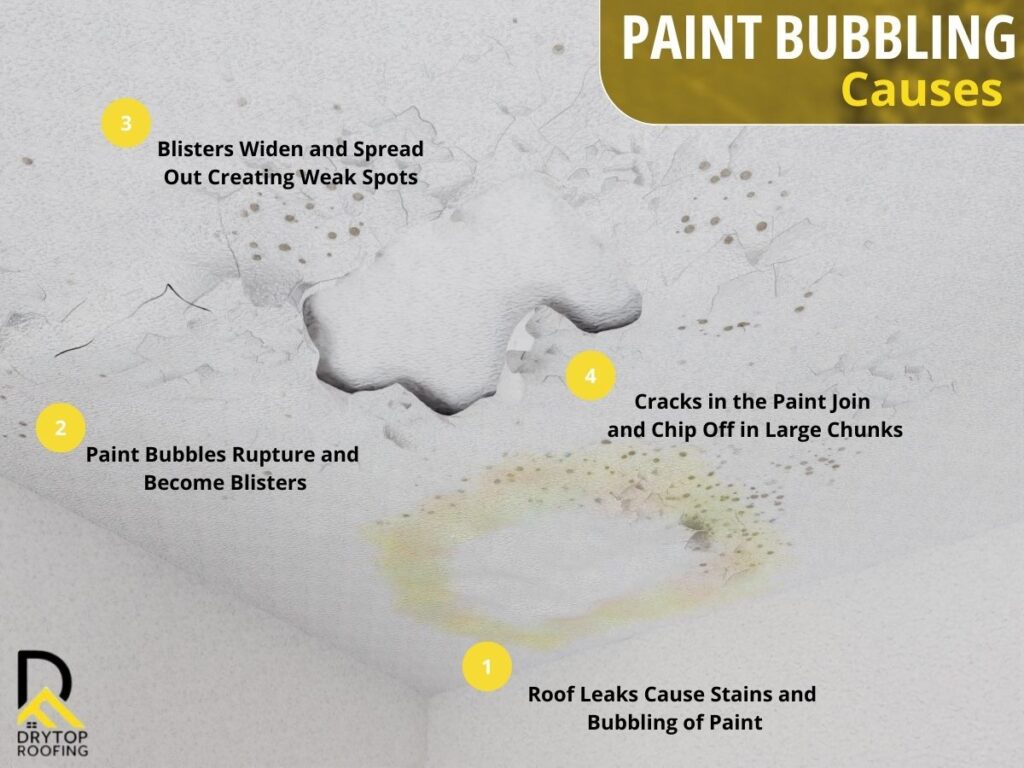
Leaks from a roof, an upstairs bathroom, or plumbing fixtures can introduce water to the ceiling, leading to bubbling paint. If left unaddressed, the water can cause long-term structural damage beyond just cosmetic issues.
Regularly inspect your roof, attic, and plumbing system for signs of leaks. If you notice stains or bubbling paint, investigate the source immediately and repair any leaks before repainting.
How to Fix Ceiling Paint Bubbling Quickly
Once you’ve identified the cause, you can take the necessary steps to fix the bubbling paint and prevent it from recurring.
| Step | Action | Details |
|---|---|---|
| Step 1 | Identify and Fix the Issue | Find the root cause (moisture, poor prep, leaks) and address it first. |
| Step 2 | Scrape Off Bubbling Paint | Use a putty knife or scraper to remove loose paint carefully. |
| Step 3 | Clean the Surface | Wash with mild detergent and water. Use mold remover if needed. Let it dry completely. |
| Step 4 | Apply a High-Quality Primer | Use a stain-blocking or moisture-resistant primer for better adhesion. |
| Step 5 | Repaint with the Right Paint | Apply thin, even coats of moisture-resistant paint, allowing proper drying time. |
| Step 6 | Improve Ventilation & Maintenance | Use exhaust fans, open windows, or install a dehumidifier to prevent future bubbling. |
Steps to Fix Ceiling Paint Bubbling
Step 1: Identify and Fix the Underlying Issue
Before addressing the bubbling paint, it’s crucial to eliminate the root cause. If moisture is the problem, repair any leaks, improve ventilation, or use a dehumidifier to control humidity levels.
Step 2: Scrape Off the Bubbling Paint
Use a putty knife or paint scraper to gently remove the loose, bubbled paint. Be careful not to damage the ceiling material underneath. If the ceiling has extensive bubbling, consider sanding the affected area to create a smooth surface.
Step 3: Clean the Surface
Wipe down the ceiling with a damp cloth and mild detergent to remove dirt, dust, grease, or mold. If mold is present, use a mixture of water and white vinegar or a mold-removal solution to clean the area thoroughly. Allow the ceiling to dry completely before proceeding to the next step.
Step 4: Apply a High-Quality Primer
To ensure proper adhesion, apply a high-quality primer that is suited for the surface and environment. If moisture is the issue, use a moisture-resistant or stain-blocking primer to prevent future bubbling. Allow the primer to dry completely before applying the paint.
Step 5: Repaint with the Right Paint
Once the primer is fully dry, apply a fresh coat of high-quality paint. Use moisture-resistant paint in humid areas like bathrooms and kitchens. Apply thin, even coats and allow adequate drying time between layers to prevent trapped moisture or air. Using a high-quality roller or brush will help create a smooth, professional finish.
Step 6: Improve Ventilation and Maintenance
To prevent future issues, improve airflow in moisture-prone areas by using exhaust fans, opening windows, or installing a dehumidifier. Regularly inspect ceilings for signs of leaks or damage and address any problems promptly. Routine maintenance, such as checking for leaks and repainting when necessary, can help extend the life of your ceiling paint.
Conclusion
Ceiling paint bubbling is a frustrating but fixable issue. By identifying the cause—whether it’s moisture, poor surface preparation, or incompatible paint—you can take the necessary steps to repair the damage and prevent future occurrences.
Proper surface preparation, high-quality materials, and good ventilation are key to maintaining a flawless ceiling. With the right approach, you can quickly restore your ceiling’s appearance and prevent costly repairs down the line.
By addressing underlying issues and using the right materials, you can ensure a long-lasting, beautiful ceiling that enhances the overall aesthetics of your home.