
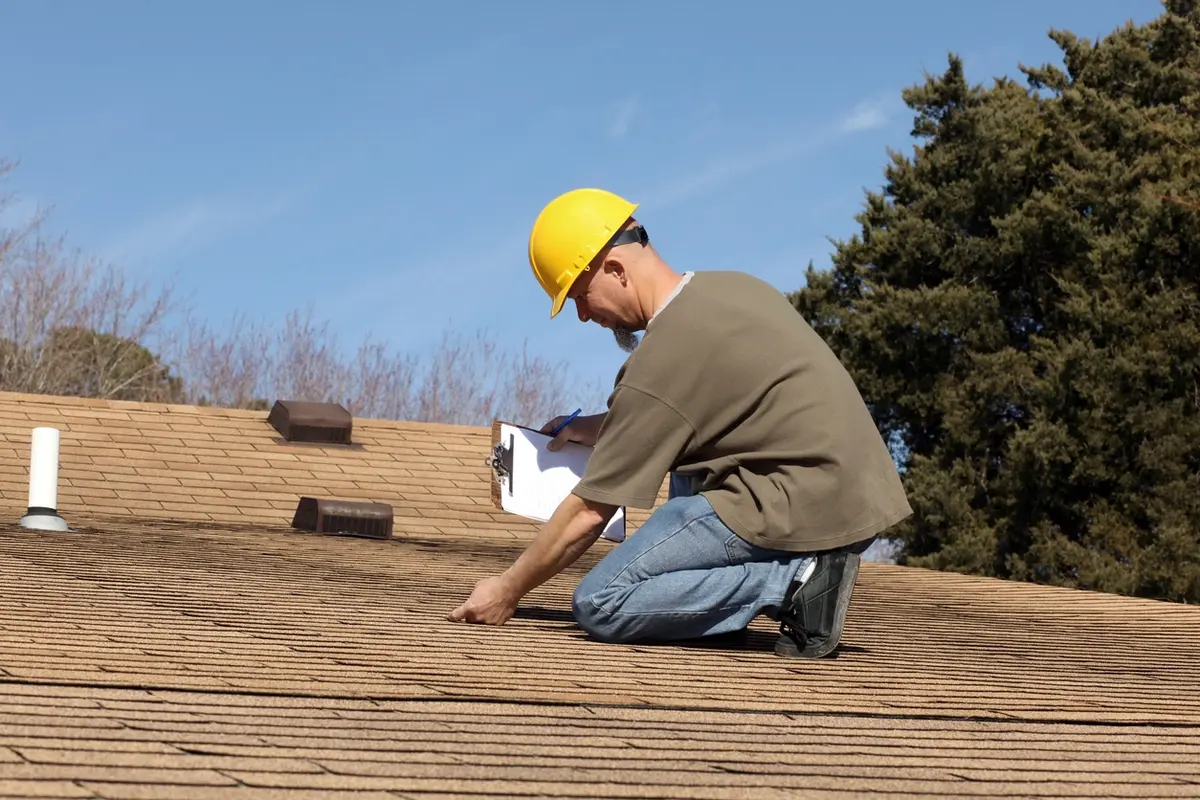
The Importance of Roof Inspection: Protect Your Arizona Home and Save Money
The importance of roof inspection goes far beyond a simple checkup. Your roof protects your home 24 hours a day from Arizona’s intense sun, monsoon storms, and temperature swings. Regular inspections catch small problems before they turn into expensive repairs, extend your roof’s lifespan, and protect your family from water damage, mold, and structural issues.
Key Takeaways:
- Annual roof inspections save you thousands by catching minor damage before it spreads.
- Inspections typically cost $120 to $350, but prevent repairs that can run into the thousands.
- Arizona roofs face unique stress from heat, UV exposure, and the monsoon season.
- Professional inspections are required for insurance claims and warranty protection.
- Early detection of leaks prevents mold growth, water damage, and health risks.
Most homeowners ignore their roof until they see a leak. By then, water has already damaged insulation, wood framing, and interior walls. This guide explains why proactive inspections matter, what professionals look for, and how regular checkups protect your investment in Arizona’s harsh climate.
Why Roof Inspections Matter for Arizona Homeowners
Your roof takes constant punishment from elements that most other home components never face. In Arizona, that can mean up to 115-degree summer days, intense UV radiation, sudden monsoon downpours, and occasional hail. These conditions accelerate wear patterns that homeowners cannot see from the ground.
Annual inspections save thousands of dollars in the long run by having a professional check for problem areas and catch minor issues before they turn into major repairs. A missing shingle costs $50 to fix today. Ignore it for six months, and water infiltration can require $3,000 in structural repairs.
Professional roofers at companies like Drytop Roofing understand how Arizona’s climate affects different roofing materials. They know where to look for heat damage, granule loss from UV exposure, and vulnerable points where monsoon rains penetrate. You cannot spot these issues during a quick glance from your driveway.
Early Detection Prevents Catastrophic Damage
Early detection of potential issues is crucial, as a proper roof inspection can detect signs of wear and tear early on, allowing for appropriate remediation measures before more significant problems arise . Small cracks in flashing or minor shingle damage seem harmless. Left unchecked, they create entry points for water during monsoon season.
Water damage spreads quickly once it starts. It soaks through insulation, rots wood decking, and travels along rafters to damage ceilings and walls far from the original leak point. Without annual inspections, you’re unlikely to notice water damage until it begins physically leaking through the roof, at which point damage will already be extensive within your attic and subroofing .
Extend Your Roof’s Lifespan
Arizona homeowners need to know how long a roof lasts in Arizona, as the extreme climate shortens typical lifespans. Regular inspections maximize those years by addressing small problems immediately.
Regular inspections extend the life of your roof by addressing minor problems before they get larger and more costly to repair . Maintaining proper ventilation, replacing damaged shingles promptly, and keeping flashing sealed all add years to your roof’s service life. These maintenance tasks only happen if someone regularly inspects your roof.
What Professional Roof Inspections Include
A thorough roof inspection examines three critical areas: structural integrity, material condition, and interior signs of damage. Professional inspectors spend 2 to 4 hours documenting every component.
Structural Assessment
Inspectors check rafters, trusses, and decking for sagging, rot, or damage. They examine whether your roof plane remains level or shows dips that indicate structural problems. In Arizona, extreme heat can warp decking over time, creating vulnerable spots where water pools.
Proper ventilation gets special attention because Arizona attics reach 150 degrees in summer. Poor airflow accelerates shingle deterioration and can void manufacturer warranties. Inspectors verify that ridge vents, soffit vents, and attic fans move adequate air.
Roofing Material Inspection
The material portion examines roofing materials, including shingles, metal plates, clay, or slate, for any damages, missing materials, or staining from rust, moss, or water damage. Arizona roofs lose granules faster than roofs in cooler climates. Inspectors check granule levels to assess remaining shingle life.
They examine every penetration point: plumbing vents, exhaust fans, chimneys, and skylights. Flashing around these features cracks and separates over time. Inspectors examine rubber boots and seals around vent pipes to look for gaps or signs of rotting and deterioration .
For tile roofs common in Arizona, inspectors check for cracked or slipped tiles, damaged underlayment, and proper tile attachment. Wind during monsoon season can lift improperly secured tiles.
Interior and Attic Inspection
The roof inspector looks at the interior of your home, the ceilings, attic, and interior walls, checking for signs of mold, rot, or water stains. Dark stains on decking indicate past or current leaks. Mold growth signals persistent moisture problems that need immediate attention.
Inspectors check insulation for compression, water damage, or inadequate R-value. They look for daylight showing through the roof deck, which indicates gaps or holes.
Seven Critical Benefits of Regular Roof Inspections
1. Save Money Through Prevention
Repair costs escalate exponentially when problems go undetected. A $200 repair today prevents a $5,000 emergency next year. Roof repairs, along with full replacement, can cost homeowners a huge amount, but inspections help prevent costly roof repairs in the future.
Consider this: replacing 10 damaged shingles costs $300. Ignoring those damaged shingles allows water to rot the decking beneath, requiring $2,000 in structural repairs plus new shingles. The math clearly favors prevention.
2. Protect Your Insurance Coverage
Insurance carriers may deny claims following severe weather if building owners can’t show that they have regularly cared for and maintained their roof . After a monsoon storm damages your roof, insurance adjusters review maintenance records. No inspection history can mean a denied claim worth tens of thousands.
Some insurance companies require annual inspections for homes with roofs over 15 years old. Professional inspection reports document your roof’s condition and prove you maintained it properly.
3. Validate Warranty Claims
Your roof can have leaks for many reasons; only some might be covered under warranty. Make sure to call a professional to perform an inspection and determine whether you should file a warranty claim. Manufacturers require proof that damage resulted from defective materials, not neglect. Inspection records establish that timeline.
Understanding how often a roof should be replaced in Arizona helps you track warranty periods and plan for eventual replacement before problems escalate.
4. Prevent Health Hazards
A faulty or leaking roof can breed mold, with spores that can get into the lungs of your family members, visitors, and pets. Arizona’s monsoon season creates perfect conditions for mold growth when moisture enters through roof damage. Mold spreads quickly in hidden spaces and costs thousands to remediate.
Water damage also attracts termites and other pests. Inspections identify moisture problems before they create conditions that draw destructive insects.
5. Support Real Estate Transactions
Residential roof inspections benefit both the buyer and seller in a real estate transaction, providing peace of mind during and after the sale . Sellers with recent inspection reports can price homes accurately and avoid surprise negotiations. Buyers know exactly what they’re purchasing and can budget for repairs.
In Arizona’s competitive real estate market, a documented roof inspection gives sellers a clear advantage. It shows buyers the home was well-maintained.
6. Plan and Budget Effectively
Professional roof inspection allows you to understand the status of your roofing system, giving you confidence and peace of mind, with the expert advising on the right time to conduct repairs so you can plan and budget while observing the specified timeline .
Knowing your roof has 5 years of life remaining lets you save monthly instead of scrambling for emergency funds. You can research contractors, compare bids, and schedule work during off-peak seasons when prices drop.
7. Ensure Safety
Roof inspections are risky for people with limited experience and knowledge of roofing systems; stepping on soft spots and loose shingles can lead to tripping and a life-threatening fall . Professional inspectors have safety equipment, training, and experience. They identify hazards you would miss and avoid accidents.
Structural damage can make roofs dangerous. Walking on compromised decking risks falling through the roof. At Drytop Roofing use proper safety harnesses and know how to distribute weight safely across roof surfaces.
When to Schedule Roof Inspections in Arizona
A building’s roof should be inspected at least once a year, ideally before the onset of storm season. In Arizona, that means scheduling inspections in early spring before monsoon season arrives.
Annual Maintenance Inspections
Schedule routine inspections every 12 months regardless of visible problems. Spring timing allows repairs before summer heat makes roofing work dangerous and before monsoon rains test your roof’s waterproofing.
You should schedule a roof inspection at least once a year, and roofs 10 years old or older should be inspected annually for wear and tear . Older roofs need more frequent attention because deterioration accelerates as materials age.
Post-Storm Inspections
Arizona monsoon storms drop inches of rain in minutes, generate 70 mph winds, and produce golf-ball-sized hail. Schedule inspections within days after severe weather. Hail damage may not leak immediately, but it compromises shingle integrity and voids warranties if not documented quickly.
Wind can lift shingles, tear flashing, and blow debris onto roofs. Damage may not be visible from the ground but requires immediate repair to prevent water infiltration.
Pre-Purchase Inspections
Never buy a home without a professional roof inspection separate from the general home inspection. Not all home inspectors are qualified to do a thorough roof inspection; unless you’re a professional roofer, you can easily miss many of the early signs of roof and shingle damage .
Roof replacement costs $8,000 to $25,000 in Arizona. Discovering you need a new roof after closing can devastate your budget. Pre-purchase inspections give you negotiating power or help you walk away from bad deals.
Before Major Remodeling
If you’re planning a major remodel that involves the roof, an inspection can answer questions such as whether you should replace the entire roof during construction or if your roof can support solar panels . Installing solar panels on a roof with 5 years of life remaining makes no sense. You’ll remove expensive panels to replace the roof, doubling labor costs.
What Roof Inspections Cost in Arizona
According to HomeAdvisor, the cost of a roof inspection based on their typical range data is between $120 to $321 . Arizona prices fall within this range, with most homeowners paying $150 to $250 for comprehensive inspections.
Factors Affecting Inspection Costs
Several variables influence final costs. Roof size matters most. Inspecting a 1,500-square-foot roof costs less than examining 3,500 square feet. Steep pitches require additional safety equipment and time, increasing prices.
Roof complexity adds cost. Multiple valleys, numerous penetrations, and difficult access points take longer to inspect thoroughly. Tile roofs require more care and time than composition shingles.
Some roofing contractors offer free inspections if you hire them for repairs. However, getting an independent inspection before committing to repairs ensures an unbiased assessment. You want an honest evaluation, not a sales pitch disguised as an inspection.
DIY Inspection vs. Professional Assessment
You can check for obvious problems from the ground: missing shingles, visible damage, or debris accumulation. Use binoculars to examine your roof without climbing ladders. Look for curled shingles, dark streaks indicating granule loss, or damaged flashing around vents and chimneys.
However, DIY inspections miss critical issues. You can inspect your roof yourself, but enlisting help from a roofing inspector is a better option, as a licensed inspector knows what to look for and can make specific recommendations, saving time and money .
Professionals identify problems you cannot see: deteriorated underlayment, inadequate ventilation, subtle structural sagging, and early-stage water damage. They know how different materials fail in Arizona’s climate and spot warning signs years before average homeowners notice problems.
In the case of a roof inspection needed for an insurance claim, warranty claim, or real estate transaction, only an inspection done by a professional is acceptable . Your observations carry no weight with insurance companies or during home sales.
Schedule Your Roof Inspection Today
Your roof protects your largest investment. Arizona’s intense sun, monsoon storms, and extreme temperatures accelerate wear patterns that homeowners cannot see from the ground. The importance of roof inspections equals the amount of money you spend on your roof; either you have minor maintenance and routine inspections or you’ll have major repairs and roof replacements .
Drytop Roofing provides comprehensive roof inspections throughout Arizona. Our certified inspectors understand how desert conditions affect different roofing materials and document every detail in thorough reports. We identify problems other contractors miss and give you clear priorities for repairs.
Frequently Asked Questions About Roof Inspections
How long does a professional roof inspection take?
How long a roof inspection takes varies by property size and the number of buildings being inspected; expect your contractor to spend several hours performing the inspection, and as much as a day or more if multiple buildings are involved . Most residential inspections take 2 to 4 hours for thorough documentation.
Can I stay on my roof during inspections?
Most inspectors prefer to work alone for safety and efficiency. Sometimes the building owner accompanies the contractor during the inspection if they have time and are comfortable climbing on the roof; some contractors provide videos and photos to document their inspection so another physical presence isn’t necessary. Video documentation lets you see exactly what inspectors found without climbing ladders.
What happens after the inspection?
Inspectors provide detailed reports within 24 to 48 hours. Reports include photos, descriptions of every problem found, recommended repairs, and priority rankings. You receive estimates for repair costs and guidance on what needs immediate attention versus what can wait.
Do I need inspections if my roof looks fine?
Yes. Most roof damage starts invisibly. Granule loss, small cracks, and minor separation cannot be seen from the ground but allow water penetration. By the time damage becomes visible, repairs cost significantly more. Just like routine inspections on your car or teeth, roof inspections are important in understanding your roof’s condition and can help prolong its lifespan and durability .
Will inspections damage my roof?
Professional inspectors know how to walk on roofs without causing damage. Roofing inspectors know how to lift and check shingles without causing damage . They avoid stepping on vulnerable areas and distribute their weight properly. Amateurs cause more damage during DIY inspections than professionals ever do.
What if the inspector finds problems?
Inspectors prioritize findings by urgency. Some issues need immediate repair to prevent water damage. Others can wait months or years but should be monitored. You get clear guidance on what requires action now, what to budget for next year, and what simply needs watching.
How do I find a qualified roof inspector in Arizona?
Look for licensed contractors with specific experience in Arizona roofing. Check for manufacturer certifications, insurance coverage, and positive reviews. Ask about their inspection process, report format, and typical timeline. Companies like Drytop Roofing employ inspectors who understand how Arizona’s climate affects different roofing systems and provide detailed documentation you can use for insurance, warranties, and maintenance planning.